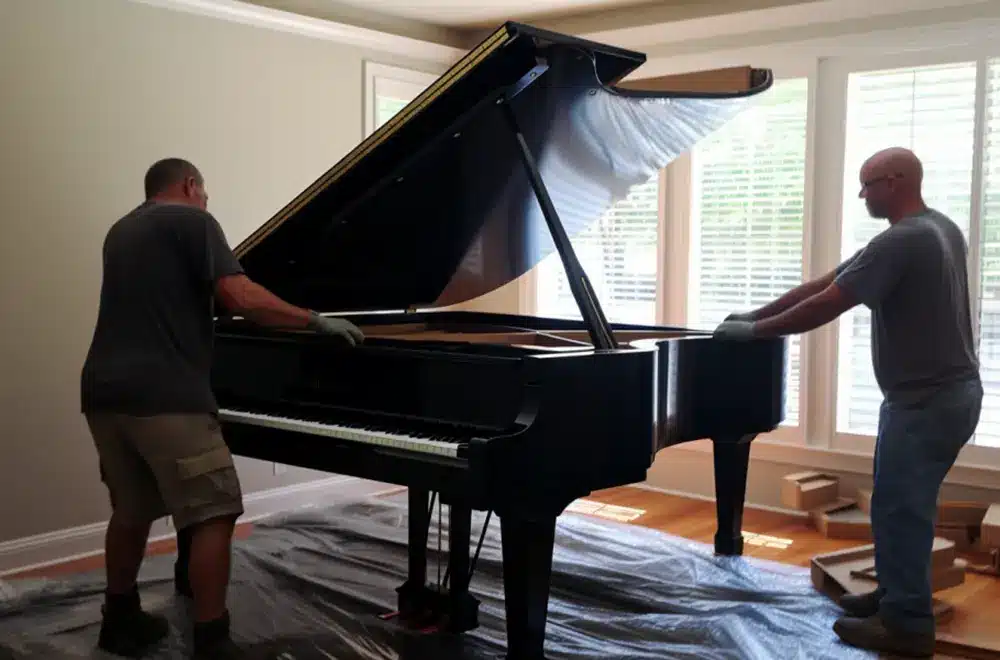
Anyone who has ever tried to move a piano knows it’s not just another piece of furniture. Maybe you’re renovating your home, relocating across town, downsizing, or simply need a safe place to keep your instrument for a while. That’s when piano storage becomes part of the conversation. The challenge is that a piano isn’t built to sit in just any storage unit. Inside the cabinet are delicate wooden parts, felt hammers, metal strings, and thousands of moving components that react quickly to environmental changes. Poor storage conditions can cause the instrument to go out of tune, damage the finish, or even affect the internal structure. This guide walks you through the most important do’s and don’ts to help you store your piano safely and avoid costly damage.
Why Proper Piano Storage Matters
Before getting into best practices, it helps to understand why storing pianos requires more care than most household items. A piano may look sturdy on the outside, but internally it behaves more like a sensitive mechanical system that responds to its surroundings.
Temperature and Humidity Risks
A piano is built largely from wood. Unfortunately, wood naturally expands and contracts when temperature and humidity levels fluctuate. In unstable environments, that movement can strain the internal components, shift the soundboard, and affect tuning stability. High humidity levels may also lead to mold inside the cabinet or rust on the steel strings, especially during long-term storage. On the other hand, extremely dry conditions can cause cracks in wooden parts or loosen glue joints. Because the instrument contains hundreds of tensioned strings and precision components, even small environmental changes can compromise performance and longevity.
Structural Sensitivity
Beyond climate concerns, the physical structure of a piano also makes it vulnerable to damage if stored improperly. The legs, pedals, and cabinet carry significant weight, and pressure placed in the wrong area can lead to cracks or structural stress. Improper positioning, such as leaning a piano or stacking items on top, can affect alignment and place strain on internal mechanisms. Whether it’s an upright, baby grand, or larger grand, maintaining the instrument’s natural balance during storage helps preserve its stability and sound quality.
The Do’s of Safe Piano Storage
Professional piano movers follow several proven practices to keep instruments safe while in storage. These methods focus on stabilizing the environment, protecting the exterior finish, and ensuring the piano remains structurally supported throughout the storage period.
Use Climate Controlled Storage
The most important step in safe piano storage is choosing a climate-controlled storage environment. A temperature controlled facility keeps conditions stable throughout the year, protecting the instrument from extreme heat, cold, and moisture. These climate-controlled facilities maintain consistent temperature and humidity levels, which prevent wood swelling, cracking, and tuning instability. Whether you’re storing an upright for a few weeks or a concert grand for months, a climate controlled piano storage space dramatically reduces environmental stress on the instrument.
Wrap and Cover the Piano Properly
Proper wrapping is another critical step when storing pianos. Thick moving blankets protect the polished cabinet and delicate finish from scratches, dents, and dust buildup. At the same time, breathable covers help prevent condensation from forming around the instrument, especially in areas where humidity can fluctuate. Professional piano movers use layers of protective padding specifically designed for piano moving, ensuring the instrument stays protected without trapping moisture inside the cabinet.
Keep the Piano Elevated
Keeping a piano elevated off the ground can make a big difference in storage environments. Many storage facilities have concrete floors that can transfer moisture to items sitting directly on the surface. Using pallets or protective risers lifts the instrument slightly above the floor and prevents moisture absorption over time. This simple step helps preserve the wood and internal components, especially during long-term storage.
Store the Piano Upright and Stable
Pianos should always remain in their natural position while in storage. Upright pianos must stand vertically, while grand and baby grand models should stay properly supported on their sideboards or legs, depending on the storage method used by the piano moving company. Maintaining the instrument’s natural weight distribution protects the internal frame and prevents stress on structural components. It’s also essential to avoid placing boxes or furniture on top of the piano, as the added pressure can warp lids or cabinets over time.
The Don’ts of Piano Storage
Now that you understand the right practices, knowing what not to do is just as important. Many damaged instruments end up that way because of common storage mistakes that seem harmless at first but cause long-term problems.
Don’t Store in Garages or Attics
Garages and attics are among the worst places to store your piano. These areas are rarely insulated and often experience temperature swings throughout the day. In hot climates like Houston, extreme heat can warp wooden parts and weaken glue joints, while cold weather can cause contraction and cracks. Over time, these changes affect tuning stability and may even damage the soundboard.
Don’t Use Non-Climate Controlled Storage
Standard storage units without environmental control may seem convenient, but they expose your instrument to constant fluctuations in temperature and humidity. These conditions can quickly destabilize tuning and compromise delicate internal components. For something as valuable as a piano, climate-controlled storage is almost always the more secure choice.
Don’t Place Objects on the Piano
Using the piano as a temporary shelf during storage is a mistake many people regret later. Pressure on the cabinet or lid can warp wood panels or damage hinges and internal framing. Even lightweight items can leave marks or affect alignment if left in place for long periods.
Don’t Skip Professional Packing
Packing a piano without the right materials or experience can lead to scratches, broken parts, or structural damage during handling. Professional piano movers use specialized padding and protective techniques designed specifically for the instrument’s shape and weight. Skipping that step can turn storage into an expensive repair project.
How Professional Piano Movers Handle Storage
Professional piano moving companies such as Piano Movers of Houston understand the risks involved in storing pianos. Their approach focuses on protecting both the physical structure and the delicate internal mechanics.
Climate-Controlled Storage Facilities
Reputable piano movers and storage providers maintain secure warehouse environments designed specifically for storing pianos. These climate controlled storage areas regulate temperature and humidity and may even monitor environmental conditions continuously. Such controlled storage ensures instruments remain protected whether stored short-term during a move or for extended periods.
Professional Packing and Placement
A professional piano moving service begins by carefully padding the instrument with thick blankets and protective materials before transport. Once inside the storage facility, the piano is positioned strategically to maintain balance and prevent accidental contact with other items. This careful handling ensures the instrument remains protected with the utmost care throughout the storage period.
Safe Transport to and From Storage
Moving an instrument safely requires specialized equipment and trained professionals. Teams use heavy-duty dollies, piano boards, and lifting techniques designed specifically for professional piano moving. Whether it’s pickup, relocation, or long-distance transport, experienced movers know how to handle each piano type without putting stress on its structure.
FAQs About Piano Storage
How long can a piano stay in storage safely?
With proper climate-controlled conditions, a piano can remain in storage for years. The key is to maintain a stable temperature and relative humidity so the instrument’s materials remain protected.
Does a piano need tuning after being stored?
Yes. Even when stored under ideal conditions, most pianos will need to be tuned after storage. Environmental changes and movement can slightly alter string tension.
Can I store a piano on its side?
Generally, upright pianos should remain upright, while grand pianos may be positioned on their side using specialized boards.
Is climate-controlled storage really necessary?
Absolutely. Temperature and humidity fluctuations are among the leading causes of damage in stored pianos, making climate control essential for long-term protection.
How much does professional piano storage cost?
Pricing varies depending on the piano type, storage duration, and services included. Many companies offer a monthly storage rate that reflects the level of protection and security provided.
Choosing the Right Piano Storage Solution
Proper piano storage protects your instrument’s sound quality, finish, and long-term value. Whether you need storage during a move, home renovation, or long-term relocation, the right environment makes all the difference in preserving the piano’s structure and tone.
If you need secure climate-controlled piano storage in Houston, working with experienced piano movers ensures your instrument stays protected.

Related Posts

The Ultimate Guide to Piano Storage: Do’s & Don’ts
How to Move a Piano in Houston’s Extreme Weather Conditions